How to Write Abandoned Cart Emails That Recover Lost Sales
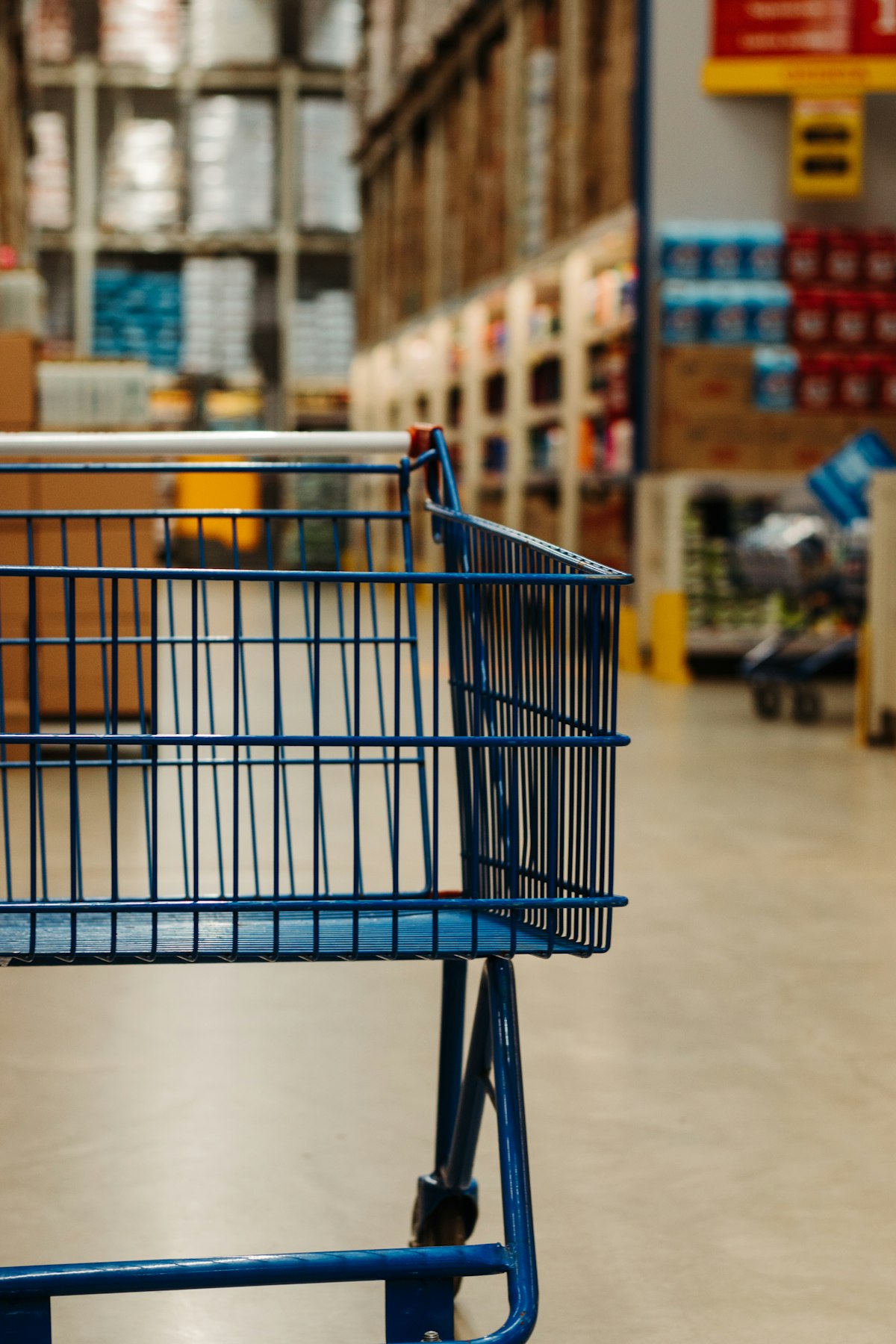
Roughly seven out of every ten carts get abandoned. The 2025 average abandonment rate sits at 70.19% across industries, and in some sectors it's far worse — luxury and jewelry hit 83.19% in November 2024. For a small store, that's not a rounding error. That's most of your revenue walking out the door.
The good news: the people who abandoned carts already wanted to buy. They picked items. They started checkout. An abandoned cart email is just a nudge back — and it's one of the highest-earning things a small business can automate. Here's how to write one that actually recovers the sale.
Why abandoned cart emails earn their keep
These emails work because the buyer already raised their hand. They weren't browsing — they were buying, then something stopped them. That intent is still warm for days.
The numbers back this up hard. Abandoned cart emails account for 76% of all automation-generated sales in 2025, and they pull a 42% average open rate — far above a normal newsletter. Omnisend's 2025 benchmarks put the open rate at 35.75%, with a click-to-conversion rate of 39.46%. Once someone clicks through, they're very likely to finish.
And the money per message is real. Omnisend reports an average revenue of $2.54 per email, with recovered carts carrying an average order value of $168. Compare automated sends — $2.87 per send — against scheduled one-off campaigns at $0.18, and the case makes itself.
One email leaves money on the table
The single biggest mistake is sending one "you forgot something" email and calling it done. A single message recovers a fraction of what a short sequence does.
HubSpot's data makes the gap obvious: a three-email sequence recovers 24.94 orders versus 14.76 with a single email. That's nearly 70% more recovered sales — for the cost of writing two more emails once.
This is the same logic behind any email drip campaign: multiple timed touches beat a single shot, because different people come back at different moments. Some need a reminder. Some need reassurance. Some need a small push.
Why people abandon — and what to address
Before you write a word, understand why the cart got left behind. Mailchimp's breakdown of common triggers gives you the script for what each email should answer:
- Unexpected shipping or tax costs at checkout
- A complicated or slow checkout flow
- Payment security concerns
- Comparison shopping across other stores
- Technical glitches
- Plain distraction — a kid, a phone call, a closed tab
Most of these aren't "the customer changed their mind." They're friction. Your emails win when they remove that friction instead of just begging for the sale.
The three-email sequence that recovers sales
Here's a sequence built on Omnisend's escalating-incentive structure, reframed for a small store or solo maker. The principle: lead with trust, not discounts. You don't want to teach buyers that abandoning a cart earns them money off.
-
Email 1 — the reminder (30 to 60 minutes later). No discount. Just a warm, helpful nudge showing what's still in the cart, with trust signals — reviews, your return policy, a quick line about secure checkout. This handles the "I got distracted" crowd, who are the easiest to win back. Omnisend's structure deliberately keeps the first email discount-free.
-
Email 2 — a gentle incentive (around 24 hours later). If they didn't bite, introduce a small, time-limited offer — Omnisend suggests a 5% discount with a deadline. Pair it with reassurance about the friction points above. Free shipping often beats a percentage here, especially for smaller orders.
-
Email 3 — the final push (around 72 hours later). Last attempt, bigger lever — Omnisend's model escalates to 10 to 15% off. HubSpot notes that for higher-value items, a 15 to 20% discount or a "Pay in 4" plan often converts better than a flat percentage. Add real urgency: low stock, the offer expiring.
If you've ever built a welcome email sequence, this will feel familiar — the cadence and the "warm before you sell" logic are the same. The trigger is just different.
Get the timing right
Don't fire the first email within five minutes — it feels aggressive and can trip spam filters. Wait too long, though, and intent fades. The 30-to-60-minute window for the first message is the sweet spot.
For send time of day, Omnisend recommends deploying between 6 AM and 9 PM, with open rates peaking around 8 PM. Schedule sends to land in that window rather than at 2 AM.
Subject lines that get opened
Keep subject lines under 50 characters so they don't get cut off on mobile, and test urgency against curiosity, as HubSpot advises. Here are real performers from Omnisend's data to model yours on:
| Subject line | Open rate | Click rate |
|---|---|---|
| Forgetting something important? | 56.2% | 6.2% |
| Your cart misses you! | 51.6% | 6.99% |
| Still Thinking It Over? Here's 5% Off | 54% | 8.25% |
Notice the curiosity-and-warmth lines pull strong opens, while the offer-led line drives the highest clicks. That's the trade-off — save the discount-in-the-subject move for your later emails, not the first.
Don't skip mobile
If your emails look broken on a phone, you're losing most of your buyers. Cart abandonment is actually worse on mobile — 77% versus 68% on desktop, which means your recovery emails are likely being read on the same small screen.
A few rules that hold up across the research:
- Show the abandoned items with image, name, and price — but cap it at three or four products so it doesn't turn into clutter (Omnisend)
- Use a clear, high-contrast CTA button that goes straight back to checkout, not your homepage
- Keep copy short and scannable on a phone
Mistakes that quietly tank these campaigns
- Sending the first email in under five minutes. It reads as aggressive and risks spam filters.
- Discounting in email one. You'll train buyers to abandon carts on purpose to unlock a code.
- Generic copy. A message that ignores who the customer is underperforms a personalized one every time (Mailchimp).
- Burying or skipping the CTA. Every email needs one obvious button straight to checkout.
- Forgetting to exclude buyers. Nothing kills trust faster than nudging someone who already paid. Suppress completed purchases from the sequence.
Where AI takes the work off your plate
Here's the honest part — a good abandoned cart sequence is fiddly. You're writing three distinct emails, setting precise delays between them, scheduling sends into the evening window, and making sure buyers get excluded the moment they pay. Most small store owners set up one email, if that.
That's the gap Doxiefy closes. You describe what you sell and who's abandoning, and the AI-assisted builder drafts the full sequence — reminder through final offer — and schedules the sends with the right gaps. The campaign that usually gets shelved becomes an afternoon's setup.
Frequently asked questions
What is an abandoned cart email?
An abandoned cart email is an automated message sent to a shopper who added items to their cart and started checkout but didn't complete the purchase. Its job is to bring them back to finish the sale, usually through a short timed sequence rather than a single email.
When should I send the first abandoned cart email?
Send it 30 to 60 minutes after the cart is abandoned. Sending within five minutes feels aggressive and can trip spam filters, while waiting too long lets the buyer's intent fade.
How many abandoned cart emails should I send?
At least three. HubSpot found a three-email sequence recovers 24.94 orders versus 14.76 with a single email — nearly 70% more recovered sales for the effort of writing two more messages.
Should I offer a discount in an abandoned cart email?
Not in the first one. Lead with a reminder and trust signals, then introduce a small time-limited discount in the second email and a larger one in the third only if needed. Discounting too early teaches shoppers to abandon carts on purpose to unlock a code.
How much money do abandoned cart emails actually make?
Omnisend reports an average of $2.54 per email and a $168 average order value on recovered carts, and these emails drive 76% of automation-generated sales. For most small stores, it's the highest-return automation they can set up.
Final thoughts
Abandoned cart emails aren't a gimmick — they're the closest thing to free money in ecommerce, because the buyer already wanted to buy. Lead with a warm reminder, escalate the incentive only if you have to, and always send more than one.
Pick your timing, write three short emails, and exclude anyone who's already paid. If you'd rather not wire it all up by hand, join the Doxiefy waitlist and let an AI-assisted builder draft and schedule the sequence for you.